
What should a Seedance 2.5 car commercial prompt include?
Include an original vehicle description, studio layout, material and lighting details, camera progression, vehicle and environmental motion, audio cues if needed, and the final composition.
Create a Seedance 2.5 car studio commercial from one detailed brief. Direct the vehicle, studio lighting, camera path, surface reflections, atmosphere, and sound for a focused automotive advertising concept.
Generate synchronized audio with the video
Preview video - Generate your own video above
See an original silver coupe emerge through mist, moving light, wet-floor reflections, and a continuous low-angle camera move before landing on a clean hero frame.
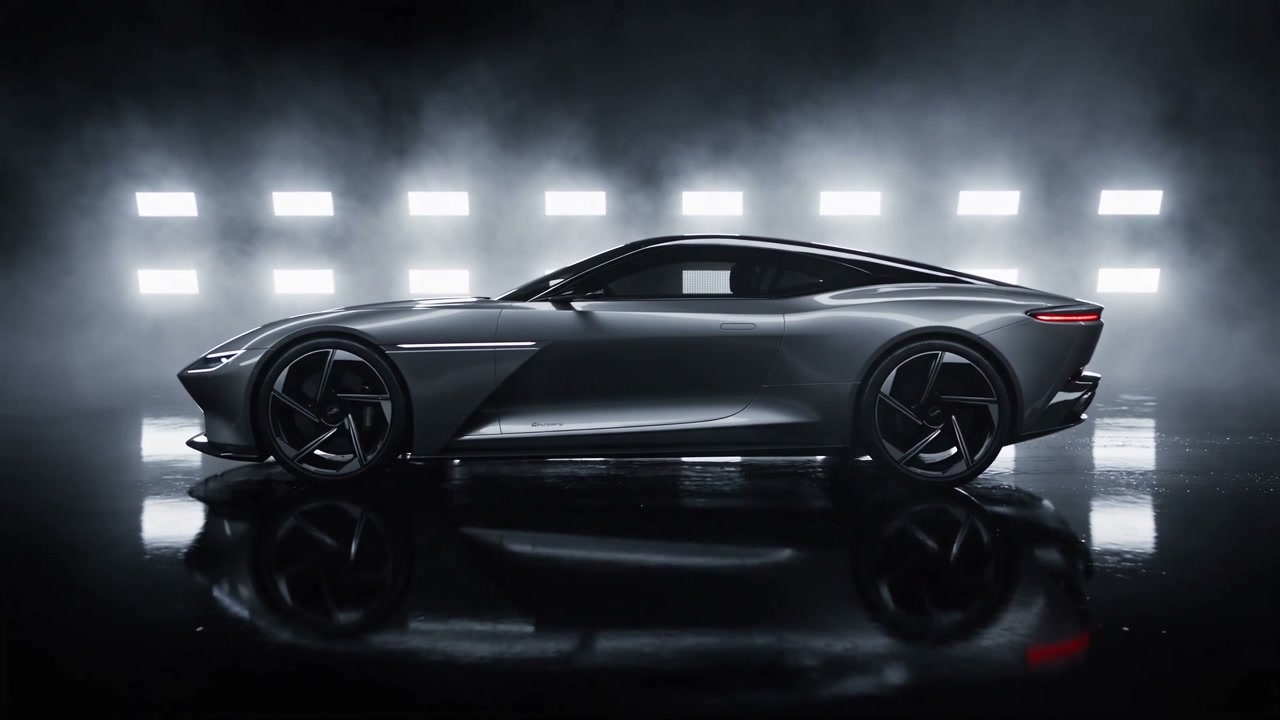
This workflow turns a written automotive advertising brief into a short studio-style video concept. It gives you a practical place to coordinate an original vehicle, controlled lighting, camera movement, reflective surfaces, environmental motion, and audio cues in one prompt. Generated details can vary, so review every result before campaign use.
Build a more reviewable automotive shot by assigning a clear job to every part of the brief.
Specify a generic body class, proportions, finish, and material qualities while excluding logos, readable plates, and existing brand marks.
State camera height, direction, speed, subject distance, and the final framing so the shot develops instead of orbiting without a goal.
Explain when practical lights activate and how their colors travel across paint, glass, metal, and the floor.
Coordinate wheel rotation, water spray, drifting mist, moving reflections, and foreground elements with the vehicle's speed.
Describe motor tone, tires on a wet surface, mechanical light cues, ambience, and the final impact when audio supports the concept.
Inspect body geometry, wheels, reflections, camera continuity, unintended text, and brand safety before presenting or publishing the clip.
Move from an automotive campaign idea to a reviewable studio video in four focused steps.
Choose the audience, vehicle category, campaign mood, format, and one visual idea the shot should communicate.
Describe the original car, set, materials, lighting sequence, atmosphere, camera path, movement, sound, and final frame.
Review the available duration, aspect ratio, resolution, and audio controls before generating the commercial concept.
Check geometry, wheel motion, paint continuity, reflections, pacing, sound, and unwanted marks, then revise the clearest weak point.
Explore short-form automotive concepts where controlled presentation and a clear final vehicle frame matter.
Compare visual directions for a launch idea before committing to a larger automotive production.
Develop compact vertical, square, or landscape ideas built around a quick reveal and memorable hero frame.
Explore how different light colors, activation patterns, haze levels, and reflective floors change the car's presentation.
Test low tracking moves, detail passes, arcs, and crane reveals before planning a physical studio shoot.
Give clients and collaborators a moving expression of a proposed automotive mood, pace, and shot progression.
Hold the car and camera concept steady while comparing surface, color, atmosphere, or sound directions one at a time.
Practical answers for writing, generating, and reviewing an automotive studio advertising concept.
Include an original vehicle description, studio layout, material and lighting details, camera progression, vehicle and environmental motion, audio cues if needed, and the final composition.
Describe proportions, paint depth, metal and glass response, studio precision, restrained movement, and confident framing. Exclude logos, recognizable model details, and readable license plates.
Use a short sequence of connected beats: starting height and distance, tracking direction, the details passed along the way, transition into the reveal, and the final camera position.
You can request those elements in the prompt. Explain how each reacts to the car, lights, and camera so they support depth and motion. Results can vary between generations.
The generator exposes the aspect ratios available for the selected Seedance 2.5 task. Choose the target format before generating and keep important vehicle details inside its safe composition area.
Review body geometry, wheel shape and rotation, paint continuity, glass, reflections, shadows, unintended marks or text, camera continuity, sound, and the clarity of the final frame.
Bring an original automotive brief to the generator and direct the vehicle, camera, light, reflections, motion, and sound from one place.